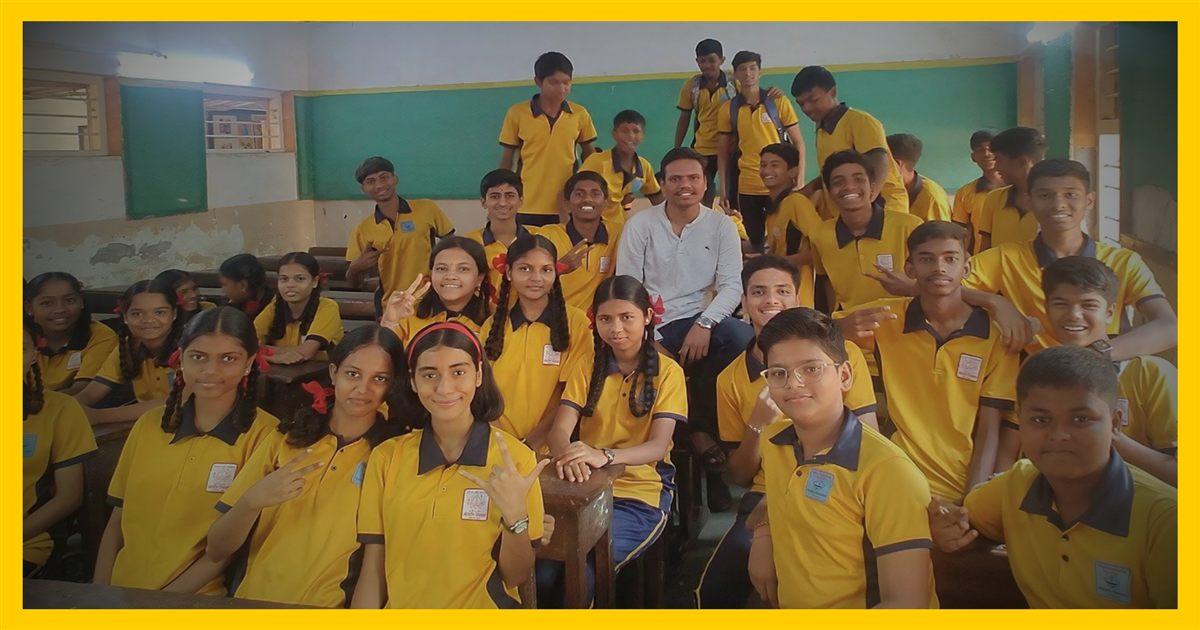
Insight
What Our ApniPathshala Alibag Team Outing Taught Me About Management
A personal reflection on the ApniPathshala team outing to Alibag — what 23 people, one villa, a Shark Tank activity and a CEO session taught me about management and teamwork.

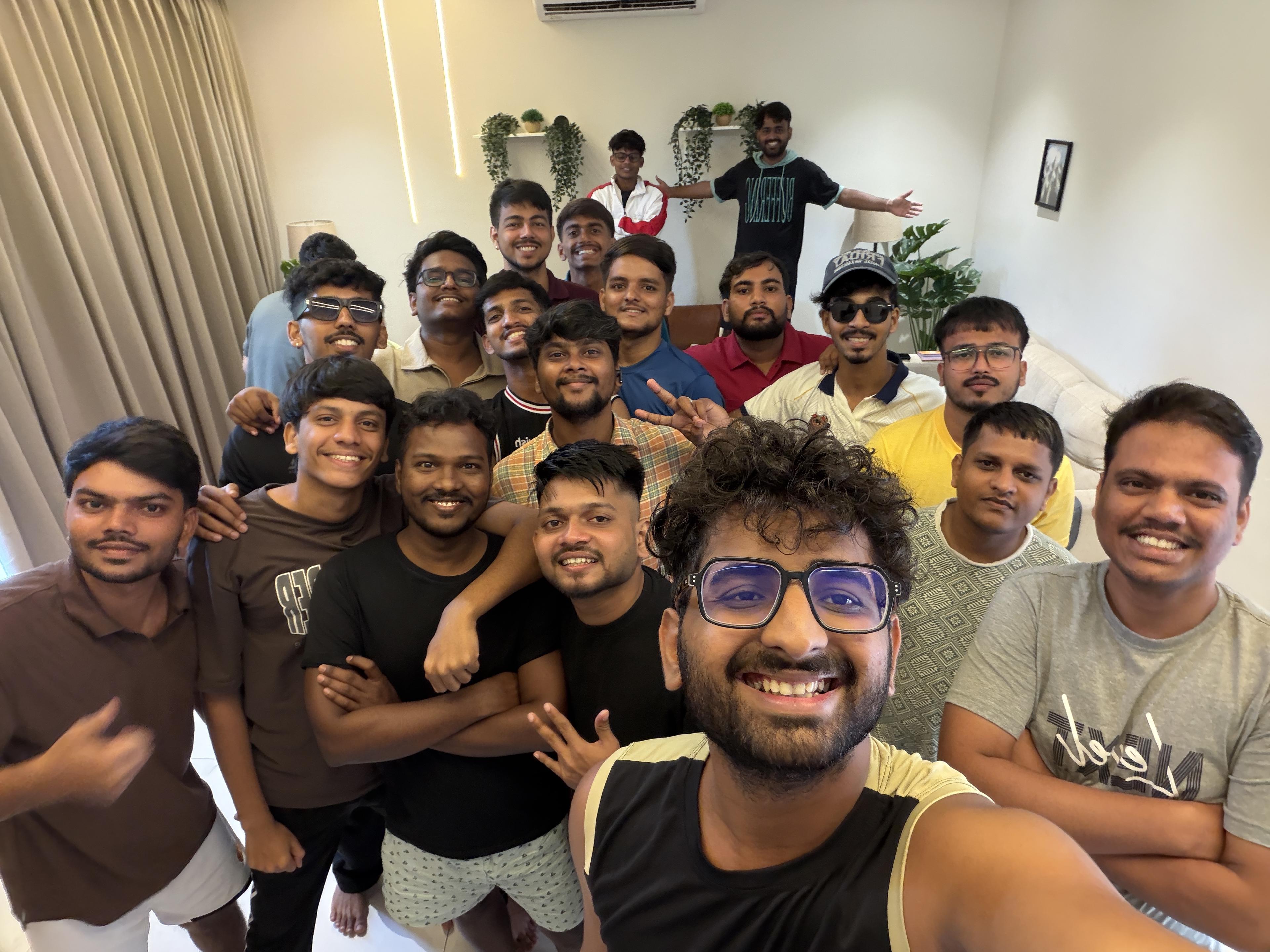
I did not expect a single day trip to teach me so much.
We planned an ApniPathshala team outing to Alibag. Twenty-three people. One villa. A lot of last-minute changes. And somehow, it became one of the best experiences of the year.
This is my personal reflection on that trip and what I actually learned from it.
Planning a Trip for 23 People Is Not Easy
Before the outing even started, we had to figure out the basics: how we travel, what we eat, and what the plan for the day looks like.
For travel, we had two options:
- Bus — more comfortable, direct, but takes longer because of traffic
- Train and ferry — faster on paper, but more coordination needed for a large group
We went with the bus. And that turned out to be the right call.
When you are moving 23 people together, comfort and coordination matter more than speed. You cannot have half the group on a ferry and the other half figuring out auto-rickshaws at Mandwa.
For food, we decided to manage meals ourselves at the villa instead of depending on outside restaurants for everything. That saved time and kept the group together.
These small decisions before the trip showed me something real: planning is not just logistics. It is about thinking ahead for people, not just for a schedule.
Traffic Changed Everything — and That Was Fine
On the way, traffic hit us harder than expected. The itinerary we had planned had to change.
We skipped one stop and rearranged the order of visits. In the moment, it felt like a problem. But later I realized it was actually a useful test.
When your plan breaks mid-trip, how does the group respond?
Do people get frustrated and stop cooperating? Or do they quickly adjust and move forward?
For us, it went well. People adapted. Nobody made a big deal of it. We visited a temple and the beach, and the energy stayed good throughout.
That taught me something about adaptability in a team. Plans change. What matters is how people respond when they do.
The Villa Was Where the Real Experience Happened
Once we reached the villa, the mood shifted. Everyone relaxed. People who do not usually sit and talk for long were now just enjoying the space together.
We had organized two sessions at the villa.
The Shark Tank Activity
One activity was modelled on Shark Tank. Team members had to pitch ideas in front of the group. Others would ask questions, give feedback, and evaluate the pitch.
It sounds simple, but it brought out some real things.
Some people who are quiet in regular meetings spoke up clearly when they had to present an idea. Some people who seem confident in daily work became unsure when they had to defend it under pressure.
It showed me that how someone communicates depends a lot on the situation. A good team needs to create different kinds of situations — not just meetings — so that people can show different parts of their ability.
The CEO Growth Session
We also had a session led by our CEO. It was not a formal lecture. It was an honest conversation about where the organization is going, what growth looks like, and what each person's role is in that journey.
What stood out to me was how much clarity a direct conversation can bring.
Often in day-to-day work, people are focused on their own tasks. They do not always see the full picture. A session like this — away from the office, in a relaxed setting — helped everyone understand the direction better.
What I Took Away from the Day
After the trip, I kept thinking about what actually made it useful. It was not the destination. It was not any one activity.
It was a few simple things:
- Communication matters more than planning. The plan changed, but because everyone communicated clearly, it did not become a problem.
- People show different sides of themselves outside of work. The Shark Tank session and the relaxed time at the villa both showed qualities in teammates that do not come through in regular work settings.
- Management is about people, not just tasks. Coordinating this trip — travel, food, itinerary, activities — was a small version of what managing a project feels like. And the lessons were the same.
- Team building does not need to be forced. The most meaningful conversations of the day happened naturally, not during a scheduled activity.
Why This Kind of Experience Matters
At ApniPathshala, we work on real problems in education. The work itself is meaningful. But working on meaningful things is only one part of building a good team.
A team also needs time to breathe. To laugh. To see each other as people, not just colleagues.
The Alibag outing gave us that.
It reminded me that workplace teamwork is not only built in meetings and project updates. It is also built in moments like sitting together at a villa in Alibag, figuring out what to do when traffic ruins your original plan.
Those moments stay with you longer than any task you complete.
---
If you want to read more about the work we do at ApniPathshala, check out [how Apni Prerna helps manage student safety in computer centers](/blog/apni-prerna-student-safety-computer-center-case-study) or learn about [our 3-month digital education program at Nandadeep School](/blog/narayan-chandra-trust-digital-education).
Continue Reading